In the wake of the US-Iran conflict, several vital maritime and air freight routes in the Middle East are expected to be impacted, including the Asia-Europe route and the waters surrounding the Strait of Hormuz. With the situation remaining highly tense, the risk of spillover effects—specifically the rapid deterioration of logistics conditions in the Middle East—has escalated at a pace exceeding market expectations.
Global Shipping Diversions Surge by Over 360%
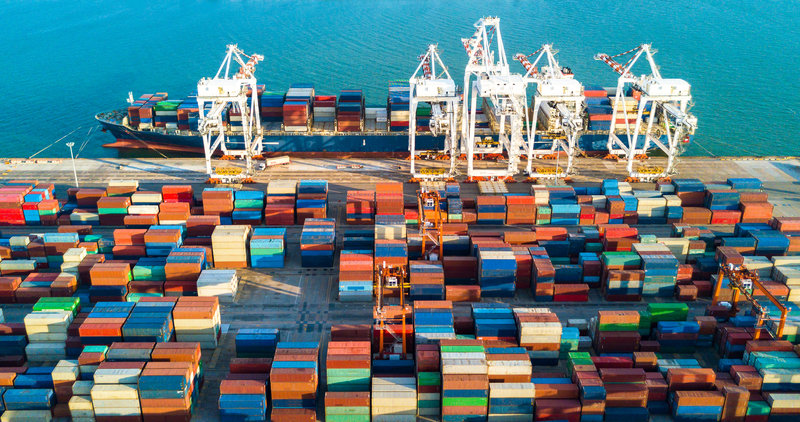
Recently, due to the escalating tensions in the Middle East, yard utilization rates at Singapore Port and Malaysia’s Port of Tanjung Pelepas have surged to 90%, operating at near full capacity.
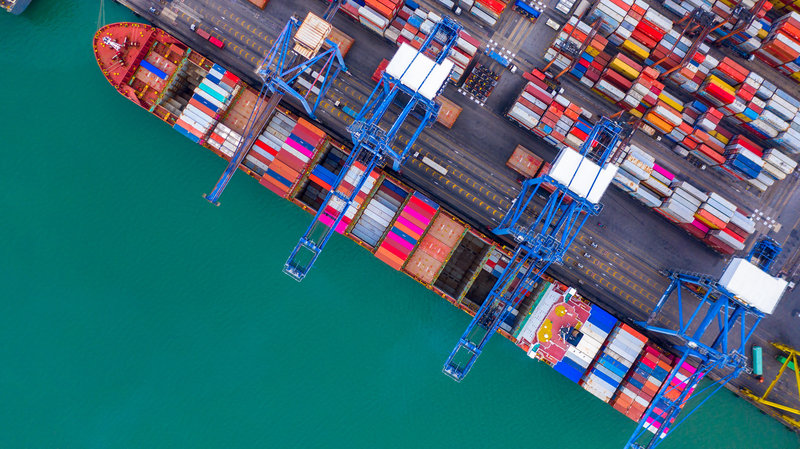
As some Middle Eastern routes have been suspended, a large volume of cargo originally destined for the region is being temporarily redirected to these two major international hub ports. This has resulted in vessel berthing delays of 5 to 7 days, with queues of hundreds of ships reported at Singapore Port at one point.
Malaysia’s Ministry of Transport has instructed ports to immediately clear empty containers from terminal areas and prevent the unloading of containers without a confirmed destination, aiming to curb further yard congestion.
Currently, global shipping diversions have increased by over 360%, with a single-day record high of 2,363 diversions. Shipping lines are actively adjusting routes to mitigate safety risks stemming from the unstable situation in the Middle East.0
The shipping network is highly interconnected. When risks emerge on a critical waterway, vessel diversions, port congestion, and freight rate hikes often occur simultaneously. Foreign trade businesses are advised to closely monitor developments at Southeast Asian transit hubs and adjust their shipping plans accordingly.

Platforms Hit the ‘Pause Button’
Logistics data platform 17Track indicates that the estimated delivery time for Temu’s Middle East routes has been extended from approximately 15 days to up to 20 days. Shein’s delivery timeframe has also been adjusted from 5–8 days to 8–10 days. Both Chinese cross-border e-commerce platforms have stated they have suspended new inbound shipments from China to the Middle East until regional stability is restored.
Consumers are already feeling the impact. A survey by Middle Eastern media revealed that several local residents confirmed experiencing delivery delays, rescheduled deliveries, or direct order cancellations for goods purchased on international platforms such as Shein, Temu, and AliExpress.
Compared to these platforms, Amazon has faced more severe delivery delays in the Middle East. According to AFP, Amazon has extended delivery times by at least 10 days, with estimated delivery dates for some items reaching 35–45 days.
In a recent update, CNBC reported that Amazon has temporarily closed all its physical office locations in the Middle East, requiring regional employees to work remotely and strictly adhere to local government guidelines.
Recently, three Amazon Web Services (AWS) data centers in the UAE and Bahrain were damaged by drone attacks, causing widespread disruption to core cloud services in the region and affecting Careem and several local banks. The facilities sustained severe damage from fire and water. Amazon is currently conducting emergency repairs and has advised users to migrate their data to other regional nodes.
Following the attack on the AWS data centers, Amazon subsequently closed its Abu Dhabi distribution center and fully suspended local delivery services.
Severe Impact on Logistics Sector
International logistics giants UPS, FedEx, and DHL have issued warnings: due to the cancellation of numerous commercial flights, pickup and delivery services in several Middle Eastern countries have been suspended, and the delivery of in-transit parcels will face significant delays.
SF International has announced via its official website that, in light of heightened geopolitical risks in the Middle East, international flight capacity and local logistics resource allocation have been severely disrupted.
To maximize the safety of personnel and property, the company has decided to suspend its international express and e-commerce services in several Middle Eastern countries, effective immediately. This decision is expected to have a short-term impact on cross-border trade and personal shipments between China and the Middle East. The resumption of services will be announced separately.
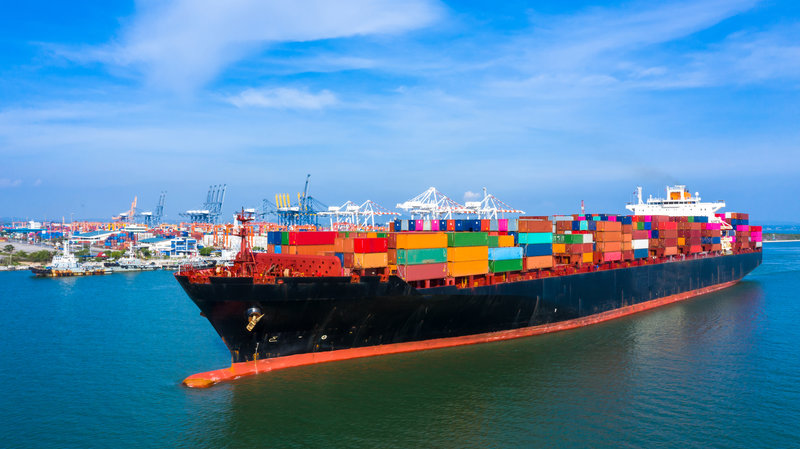
On the maritime front, while shipping routes have not been completely suspended, both costs and transit times are under pressure. Major carriers such as CMA CGM, Hapag-Lloyd, and MSC have successively announced the suspension of new bookings and are imposing emergency contingency surcharges or war risk surcharges on cargo transiting Middle Eastern routes. Several leading carriers, including Maersk, have rerouted all their vessels via the Cape of Good Hope, significantly extending overall voyage and transit times.
While the disruption caused by the conflict in the Middle East is temporary, the trend of globalization in cross-border e-commerce remains unchanged. The current challenges represent both a test and a filter. Sellers who can maintain stability and strategically position themselves will be poised to capture the first wave of market opportunities once the situation stabilizes.